Lindsay Kazarick: Community Developer | Strategic Storyteller | Agriculture Advocate
Where Education, Community, & Professional Practice Meet
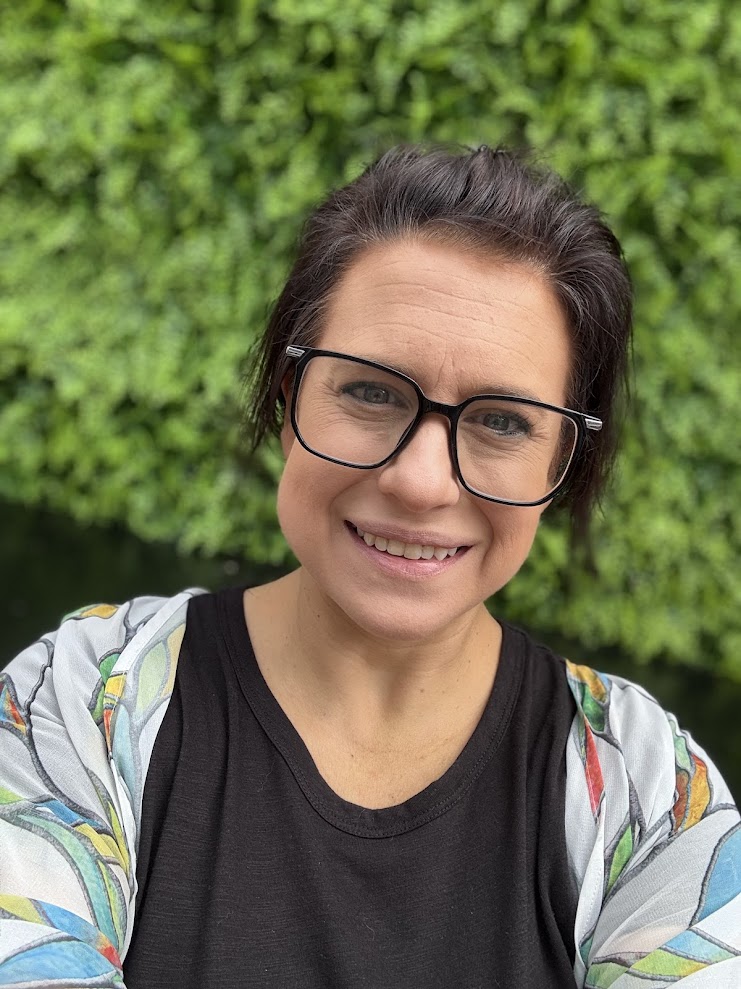
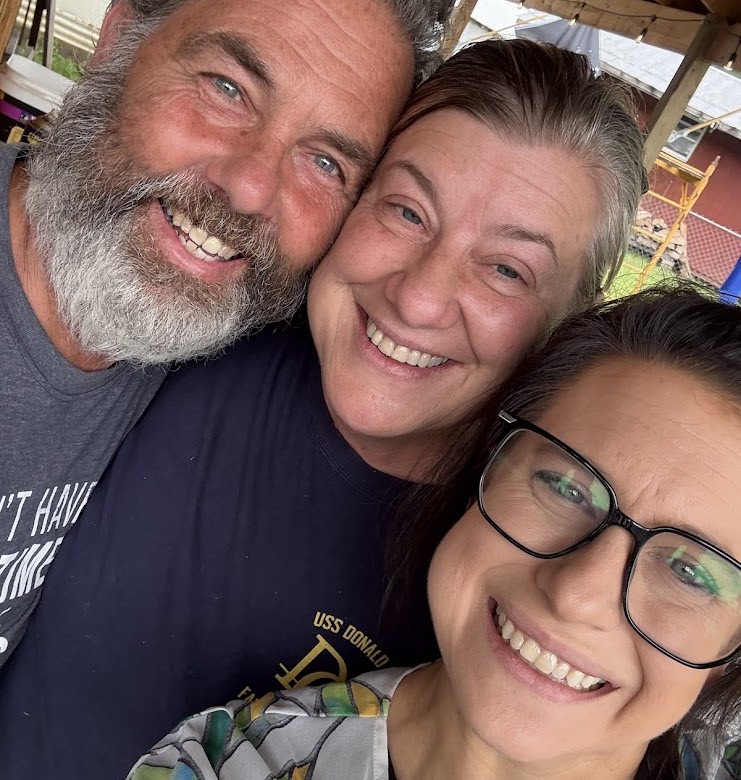
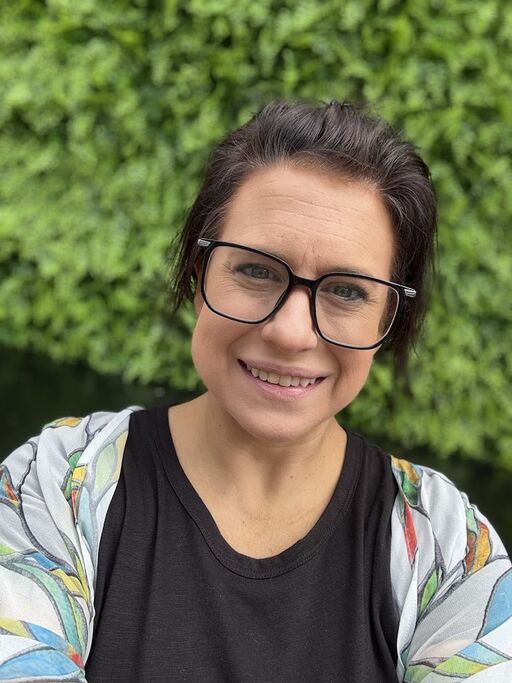
I’m Lindsay Kazarick—a communications strategist, copywriter, and applied community development practitioner based in Central Appalachia. I serve as Recruitment & Communications Associate for the Appalachian Program at Future Generations University and am completing my M.A. in Applied Community Development through traditional course work, an independent study focused on storytelling as a tool for community and economic resilience, an internship, and community partnerships.
My work sits at the intersection of place-based communications, small business support, and agritourism—particularly within the maple syrup and forest-farming sectors. As a Certified Interpretive Guide, I’m interested in how communities translate complex work into clear, compelling narratives that build trust, increase engagement, and strengthen local economies.
This portfolio documents my graduate work and field-based learning, including research, reflections, and practical tools developed through my coursework, internship, and independent study. It is designed to demonstrate both process and outcomes—and to share resources that can be adapted and used by others working in community-driven settings.
Communications for Community Development
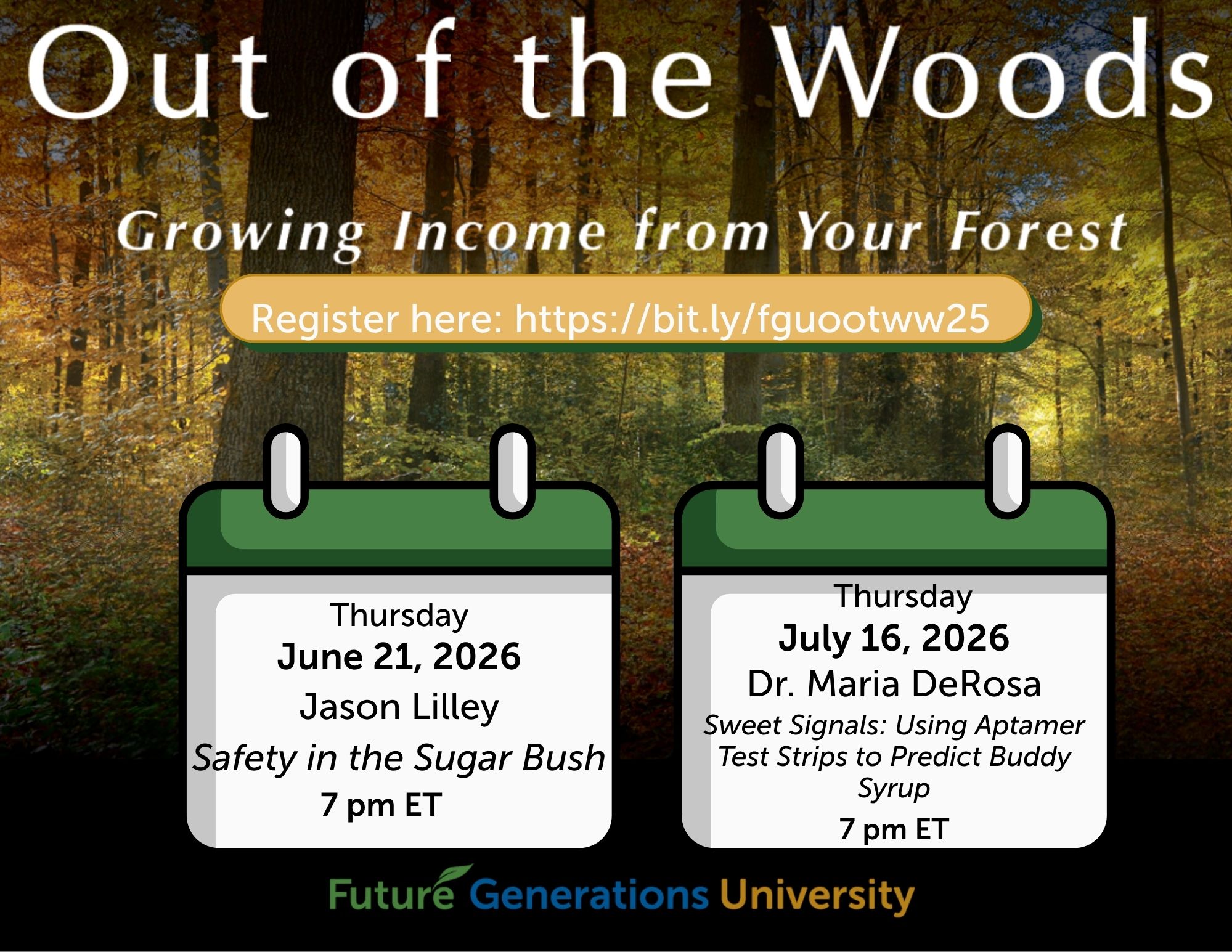
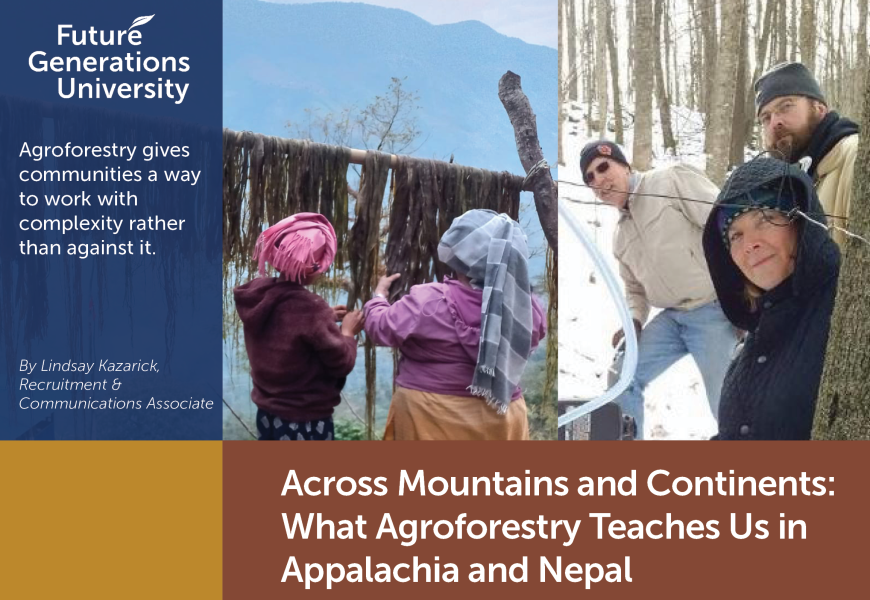
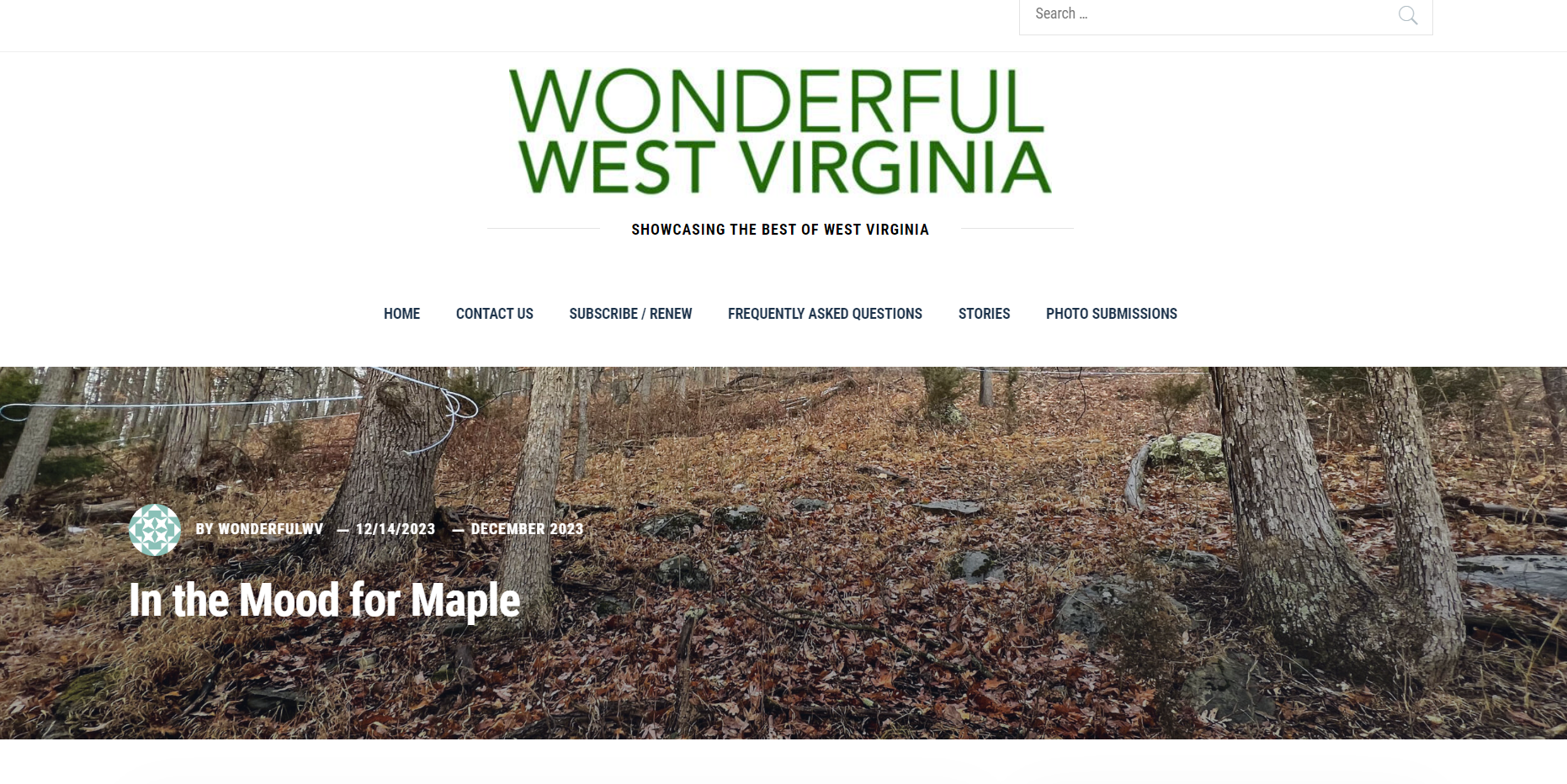
This section represents my growth as a strategic storyteller. The artifacts included here show how I have learned to shape messages for different audiences while staying grounded in community values. Whether writing for Future Generations University, developing blog posts about field-based learning, promoting Mountain State Maple Days, or helping tree syrup producers connect with visitors, my goal has remained the same: to make community-based work more visible, understandable, and useful.
strategic communications for change
blog posts
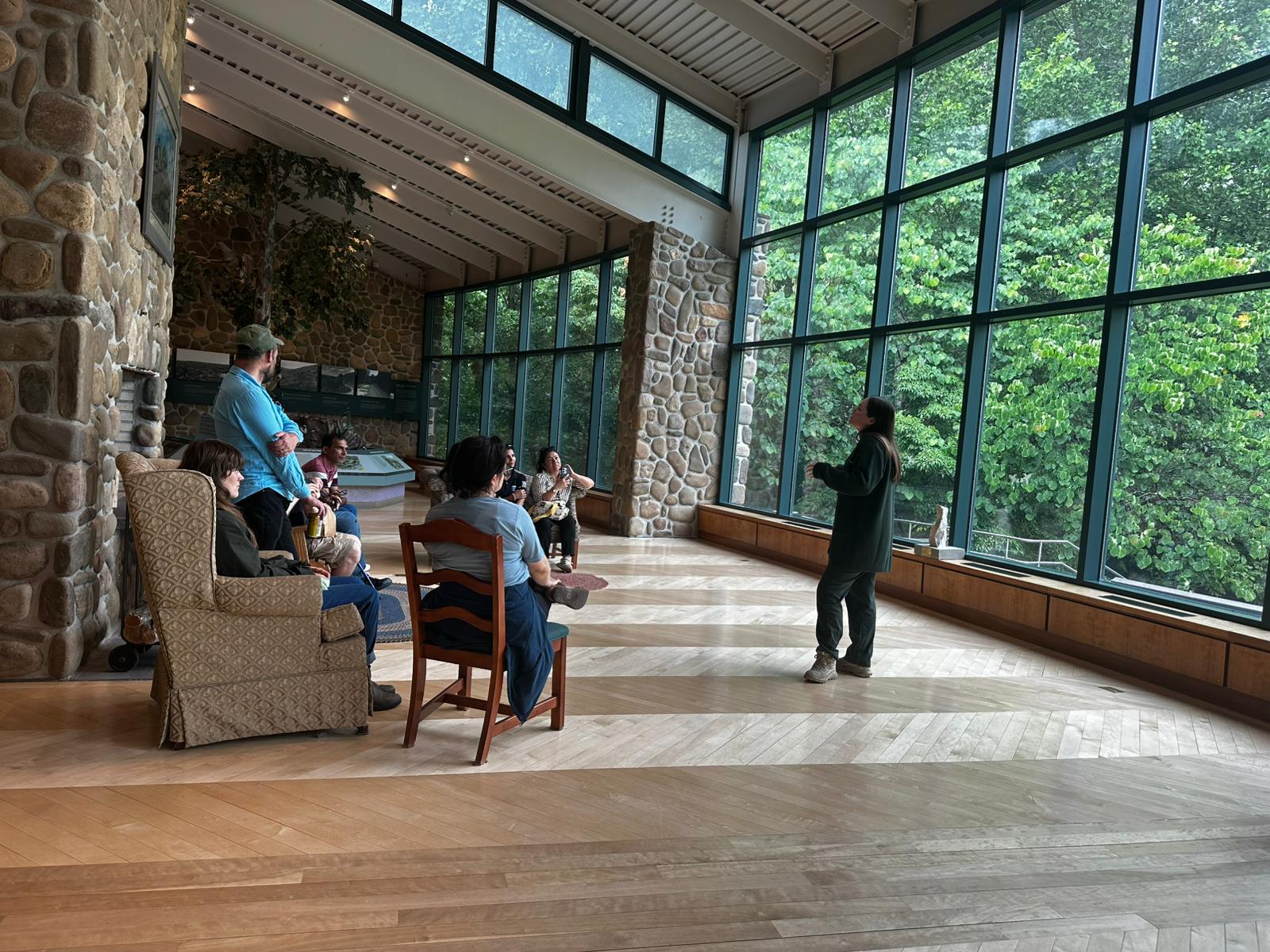
The artifacts in this section demonstrate how I have used storytelling to connect education, agriculture, tourism, and rural economic development. They also show how communications can help shift narratives about Appalachia—from stories of lack or limitation to stories of resilience, innovation, and local leadership. For me, this is where communications becomes change work. It helps communities recognize their own strengths and invites others to invest in those strengths with respect.
Participatory + Ethical Practice
This section reflects my growth in participatory and ethical approaches to community work. Through coursework in social research, nonprofit management, ethics, and field-based learning, I became more attentive to power, representation, consent, and accountability. I learned to slow down enough to ask whether a project is truly responding to community priorities or simply reflecting outside assumptions.
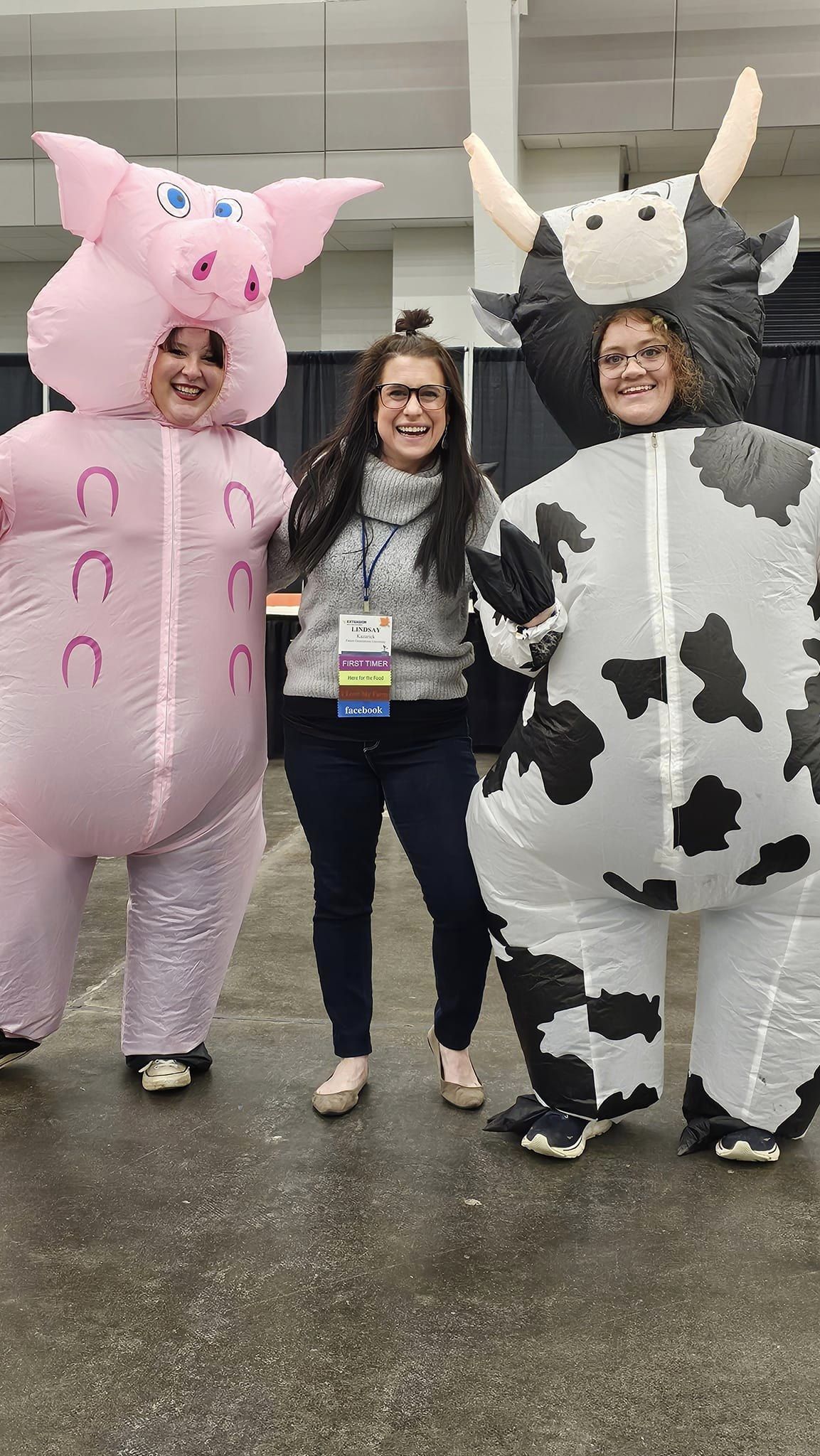
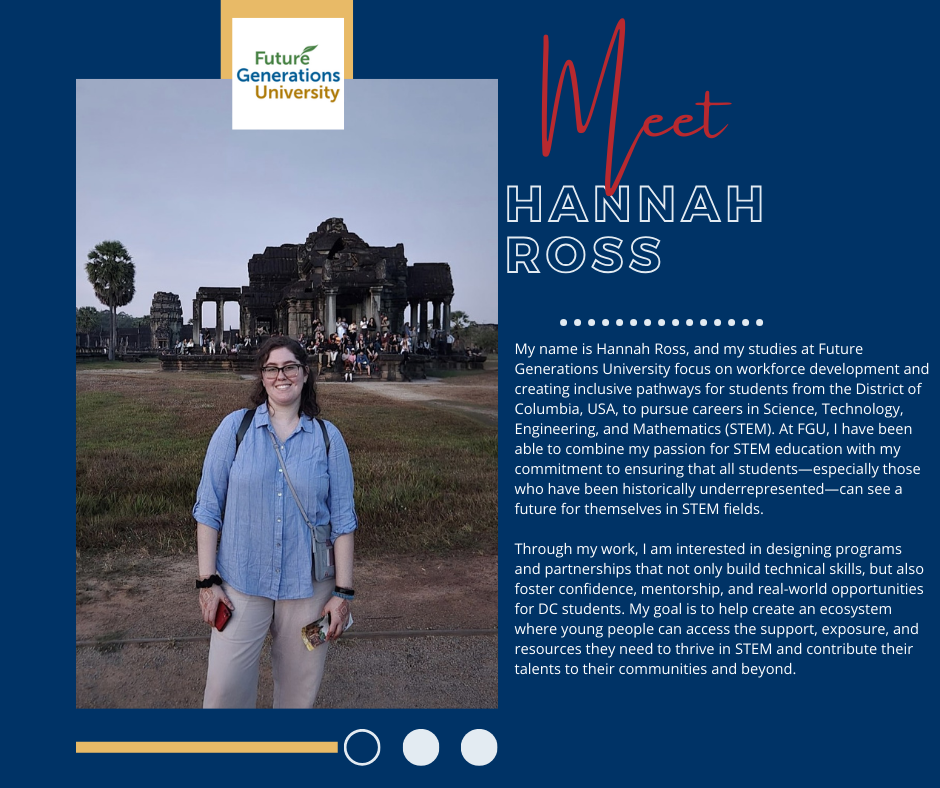
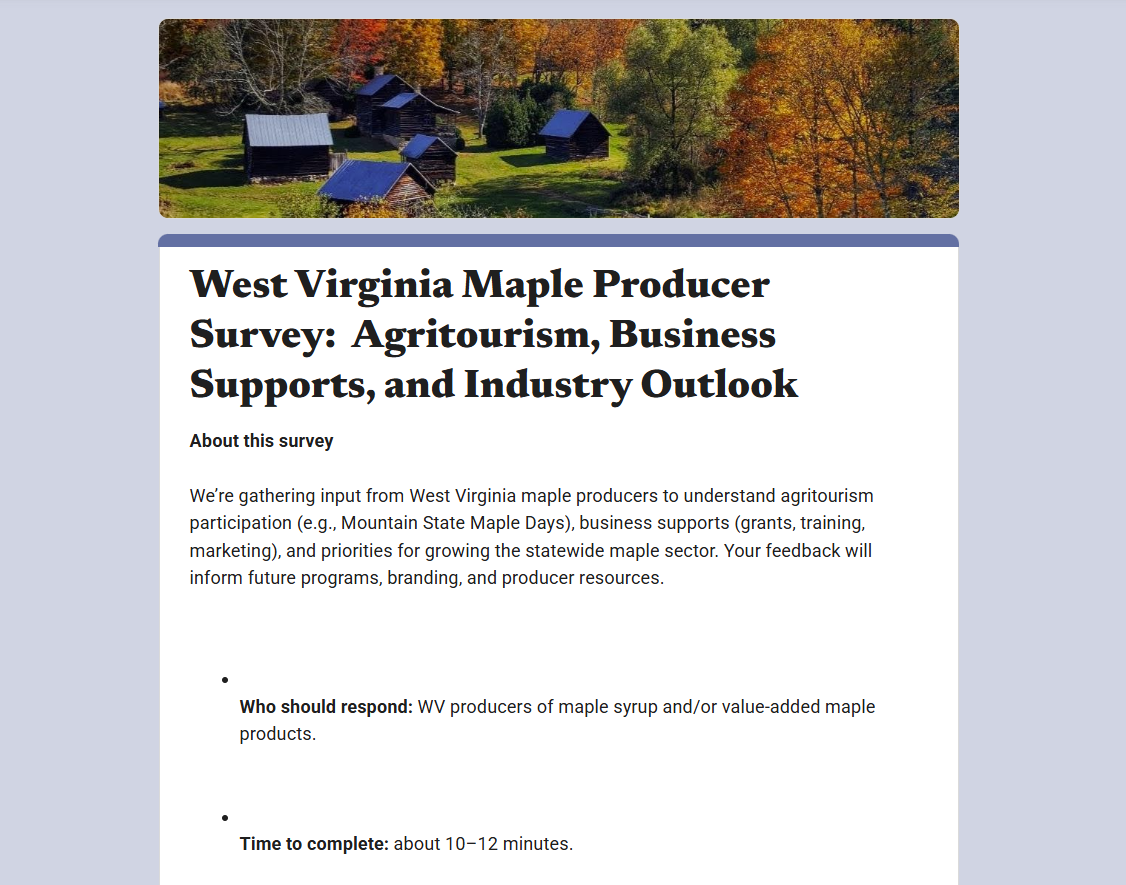
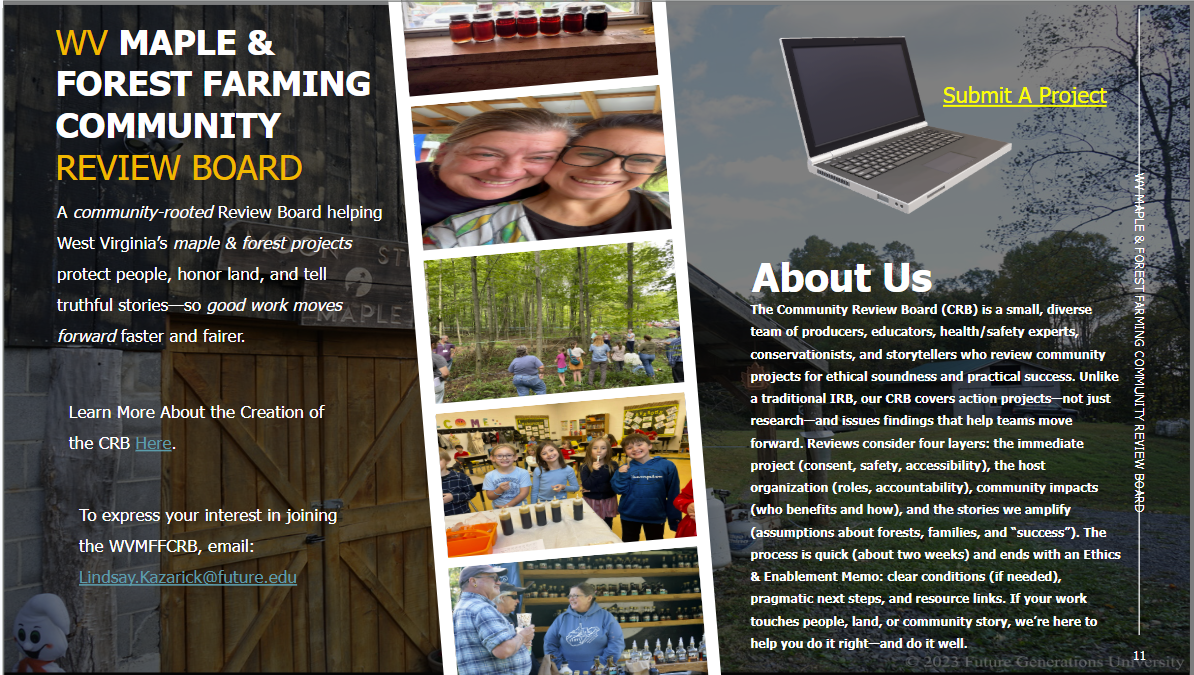
The artifacts in this section show my movement from intention to practice. They reflect my commitment to respectful inquiry, community voice, and applied learning that does not sit at a distance from the people it is meant to serve. Participatory practice has taught me that communities are not blank pages waiting for solutions. They are full of knowledge, history, relationships, and capacity. Ethical development begins when we honor that truth.
Community-centered Economic Development
This section highlights the connection between my academic learning and my work in Pendleton County and the broader West Virginia tree syrup community. Through courses such as Bottom-Up Economics, Social Entrepreneurship, and Nonprofit Management, I explored how communities can build economic opportunity by starting with what they already have: land, skills, culture, relationships, stories, and local enterprise.
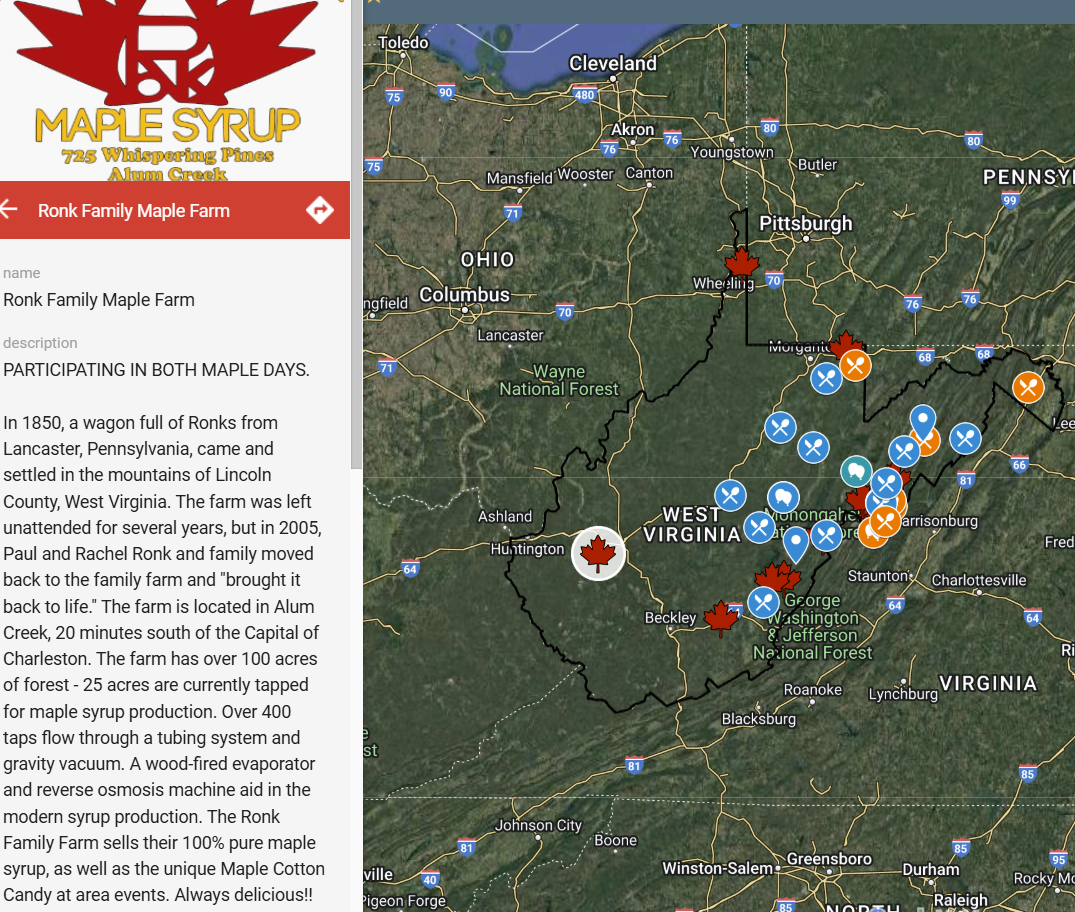
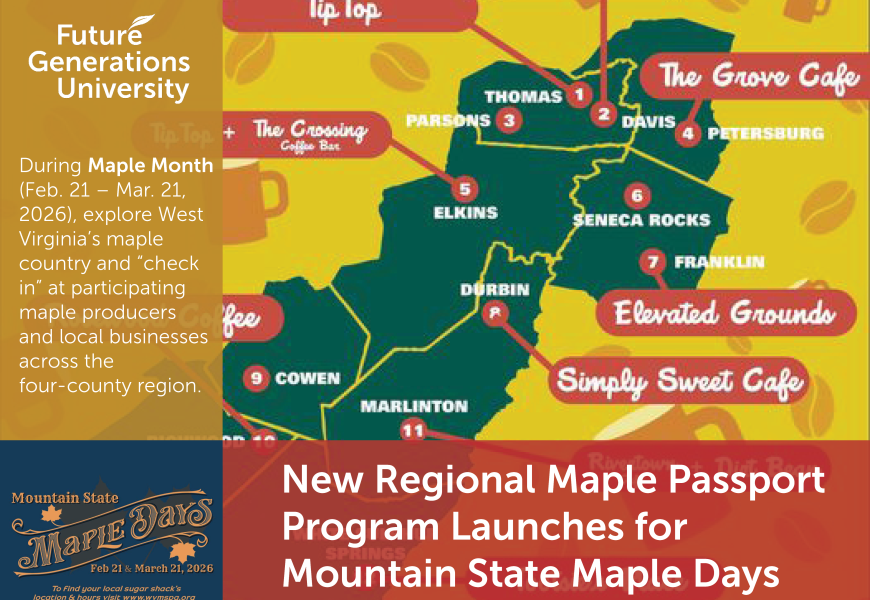
The artifacts in this section show how community-centered economic development can move from theory into practice. A maple event becomes a tourism strategy. A producer's story becomes a marketing asset. A regional passport becomes a tool for connecting farms, restaurants, small businesses, and visitors. A website becomes an infrastructure for education, promotion, and long-term capacity-building.
This work has helped me understand that economic development is strongest when it does not ask communities to become something else. Instead, it helps them recognize, organize, and strengthen what is already meaningful.
Applied Research
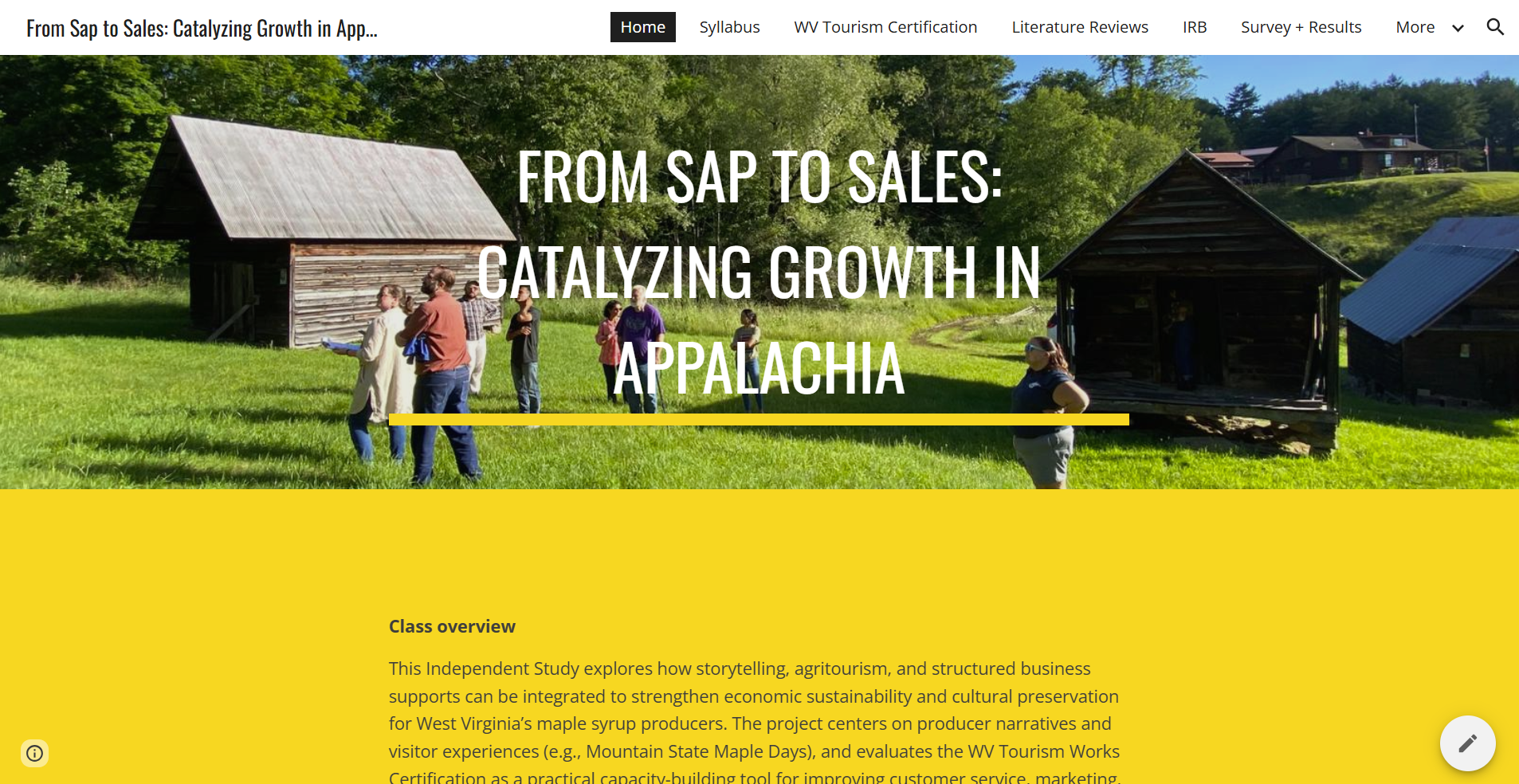
This section centers on my independent study, From Sap to Sales: Catalyzing Growth in Appalachia, along with Social Research for Change and related research artifacts, survey work, and producer-focused tools. This project allowed me to explore how storytelling, agritourism, and structured business supports could strengthen economic sustainability for West Virginia maple syrup producers.
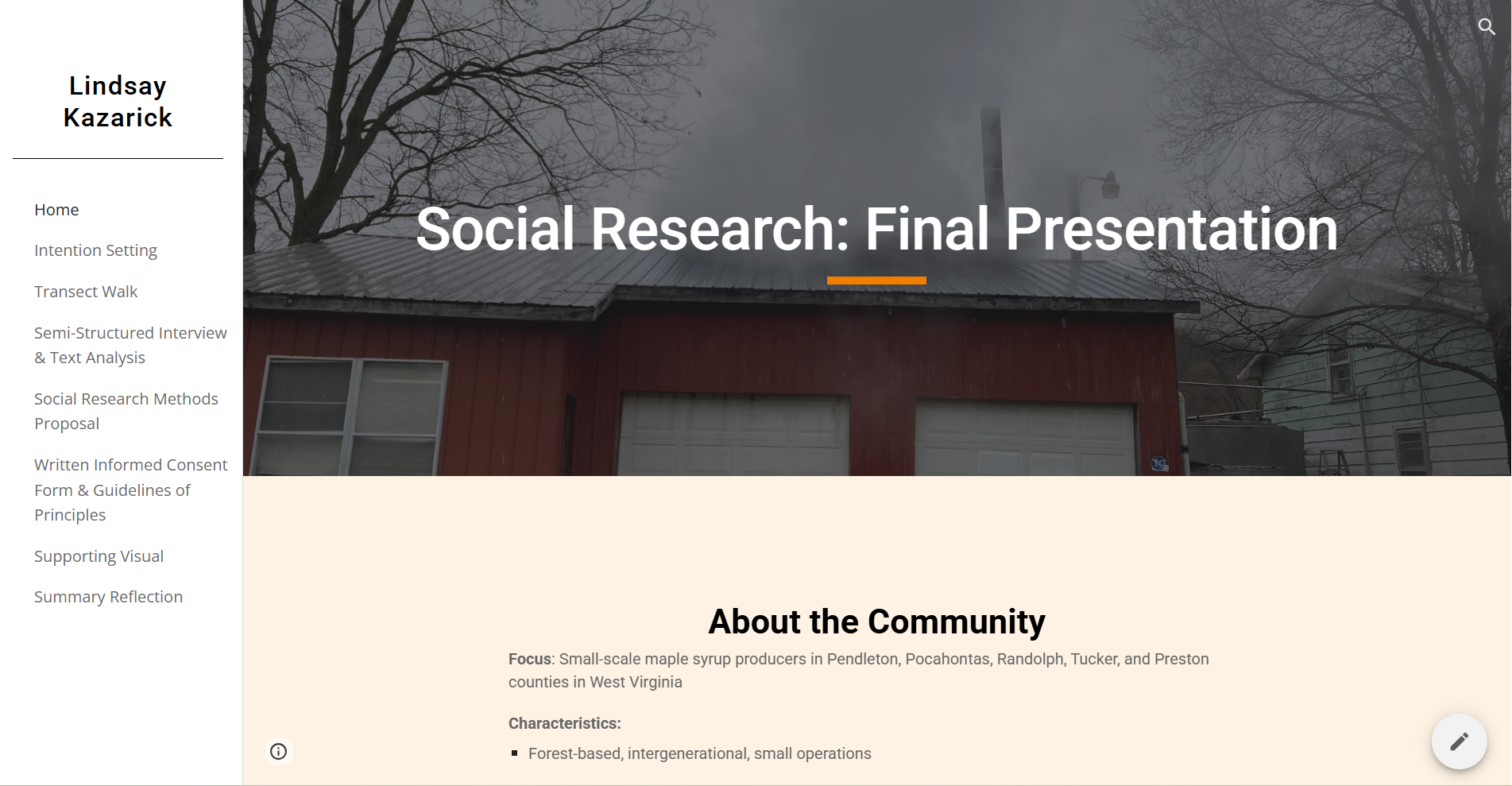
independent study
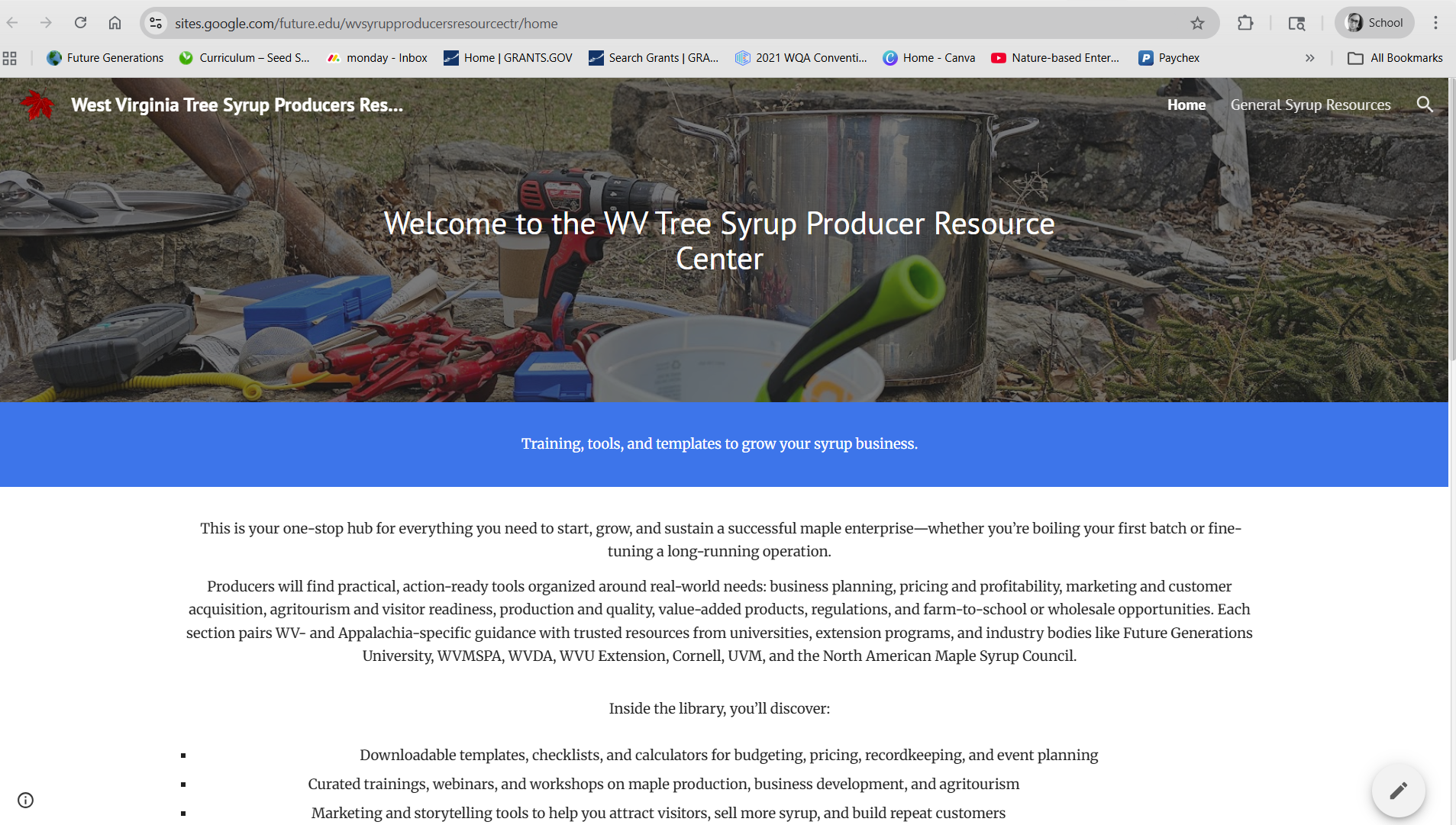
The artifacts in this section reflect my effort to turn research into something usable. The survey, IRB materials, literature reviews, readiness checklist, and resource center all represent different parts of the same commitment: to gather information ethically, analyze it carefully, and return it in a form that supports action.
Service-Based Leadership
This section reflects the leadership lessons I have carried from coursework into my professional and community roles. As a Recruitment and Communications Associate at Future Generations University, a collaborator within the Appalachian Program, a partner in maple and agritourism initiatives, and a community leader in Pendleton County, I have had many opportunities to practice leadership through service.
Servant-leadership is more than a concept, it is a fact. Any great leader, by which I also mean an ethical leader of any group, will see herself or himself as a servant of that group and will act accordingly.
― M. Scott Peck, American psychiatrist and author of The Road Less Traveled
The artifacts in this section show how leadership appears in many forms: facilitating communication, supporting nonprofit planning, helping partners organize around a shared vision, translating ideas into tools, and making sure community voices are represented in public-facing work.
Sometimes leadership looks like creating a strategy. Sometimes it looks like asking a better question. Sometimes it looks like stepping back so others can be seen.
Social Causes ✨
This section highlights maple not only as an agricultural product, but also as a community development opportunity. In West Virginia and Central Appalachia, maple connects forest stewardship, family tradition, entrepreneurship, tourism, education, and local pride. It invites people into sugarhouses, onto farms, into small towns, and into conversations about what rural communities can build when they organize around their assets.
Maple + Pocahontas County, WV
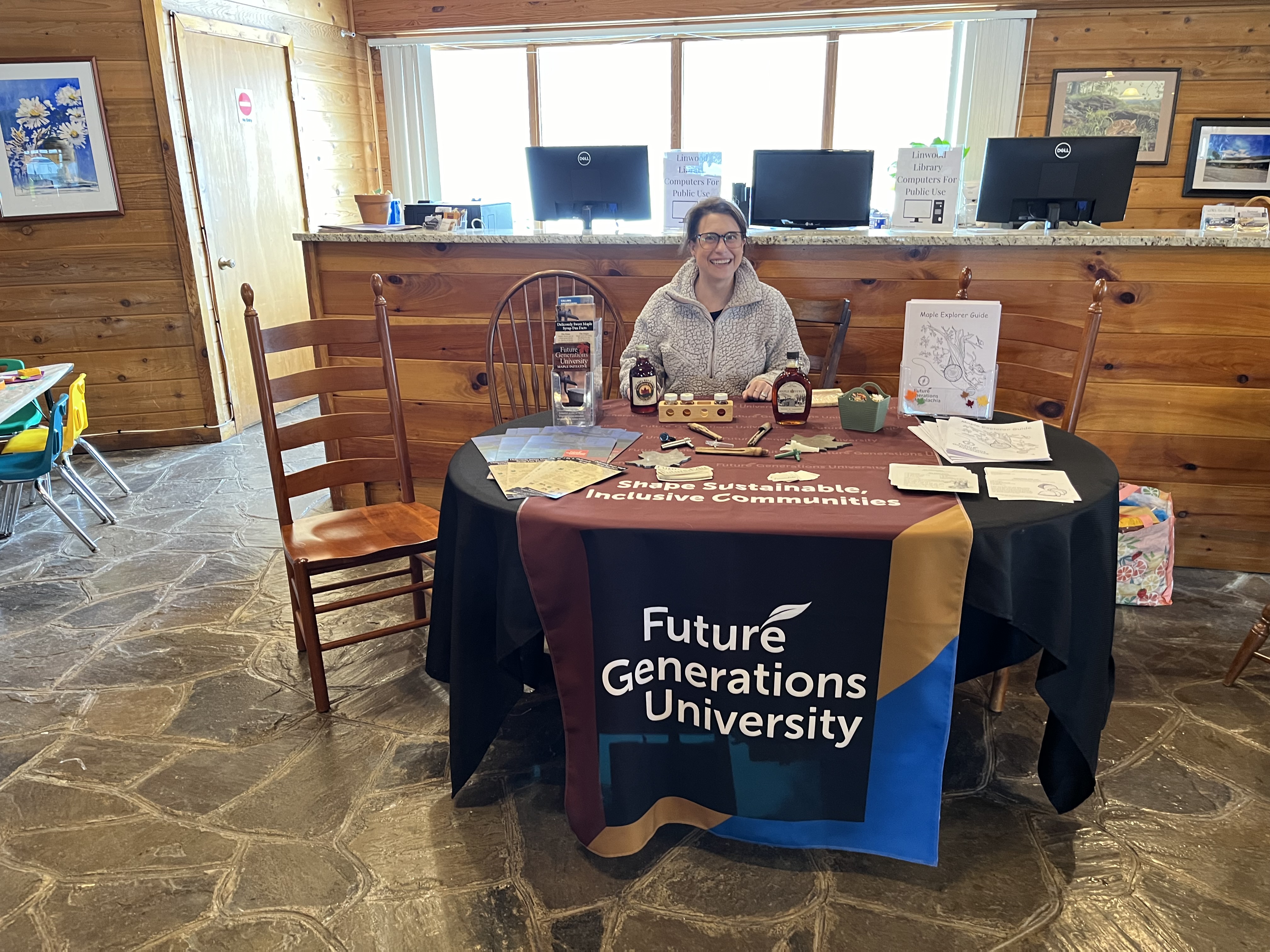
“Future Generations has been an instrumental partner with the Pocahontas County CVB in developing and promoting the West Virginia maple syrup product. With Future Generation’s support, Pocahontas County has been able to build our Mountain State Maple Days event into a robust agritourism product that has generated new partnerships with our maple syrup producers, restaurants, and other tourism partners. This partnership is allowing the CVB to expand our shoulder season tourism economy, promote a local agritourism product and promote this authentic West Virginia experience to visitors and positively impact the local economies and help farmers diversify.”
- Cara Rose, former Pocahontas County Convention + Visitors Bureau Executive Director
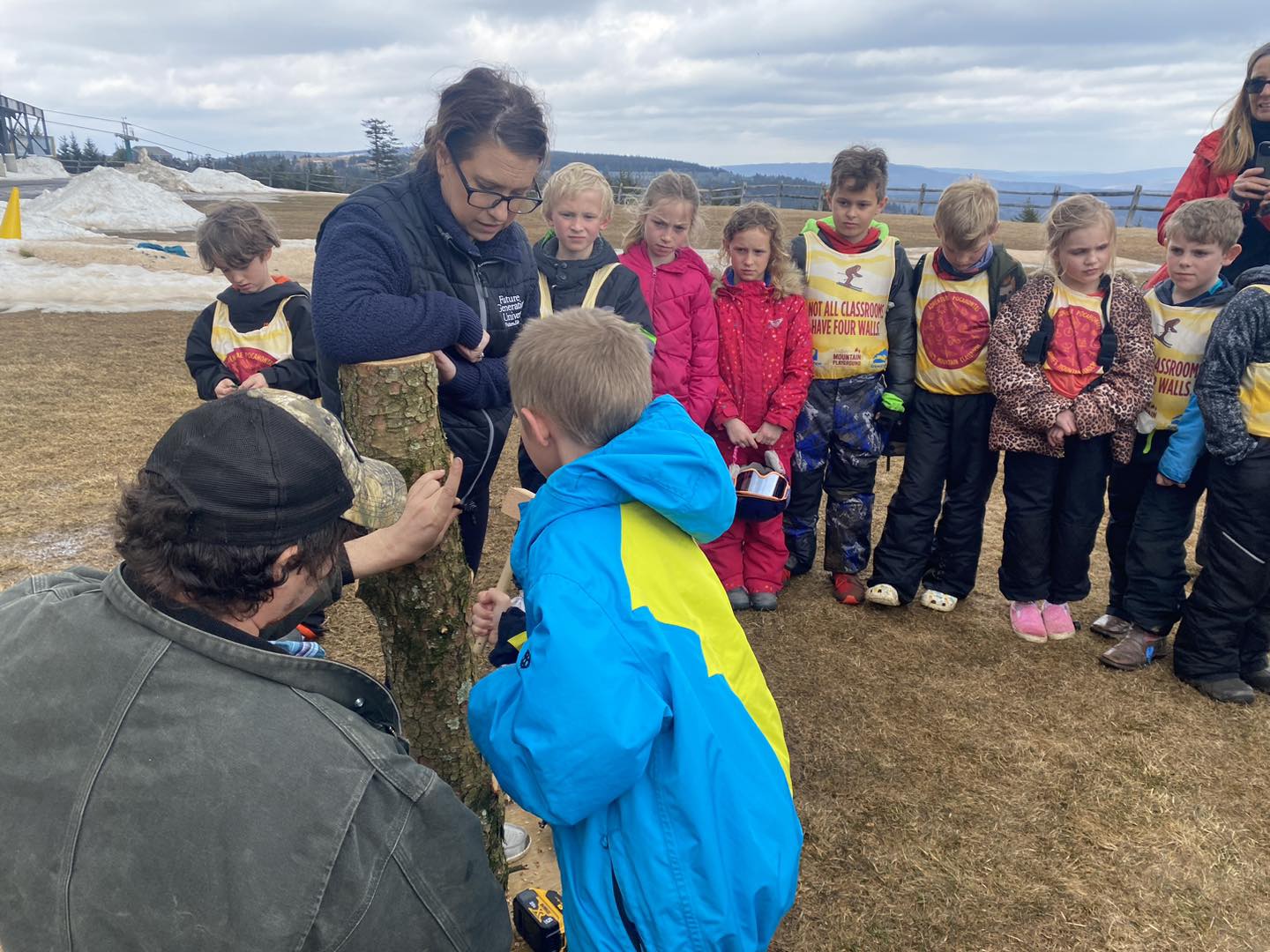
The partnership between Future Generations University, maple producers, and county tourism leaders has shown me how applied community development works in real time. It is rarely one single project or one single success. It is a series of relationships, experiments, events, tools, and stories that build momentum over time. Mountain State Maple Days, the Maple Passport, producer resources, visitor readiness efforts, and public storytelling are all pieces of a larger effort to strengthen rural economies while honoring local identity.
The best way to find yourself is to lose yourself in the service of others.
— Mahatma Gandhi, Indian lawyer, activist, pioneer of nonviolent resistance
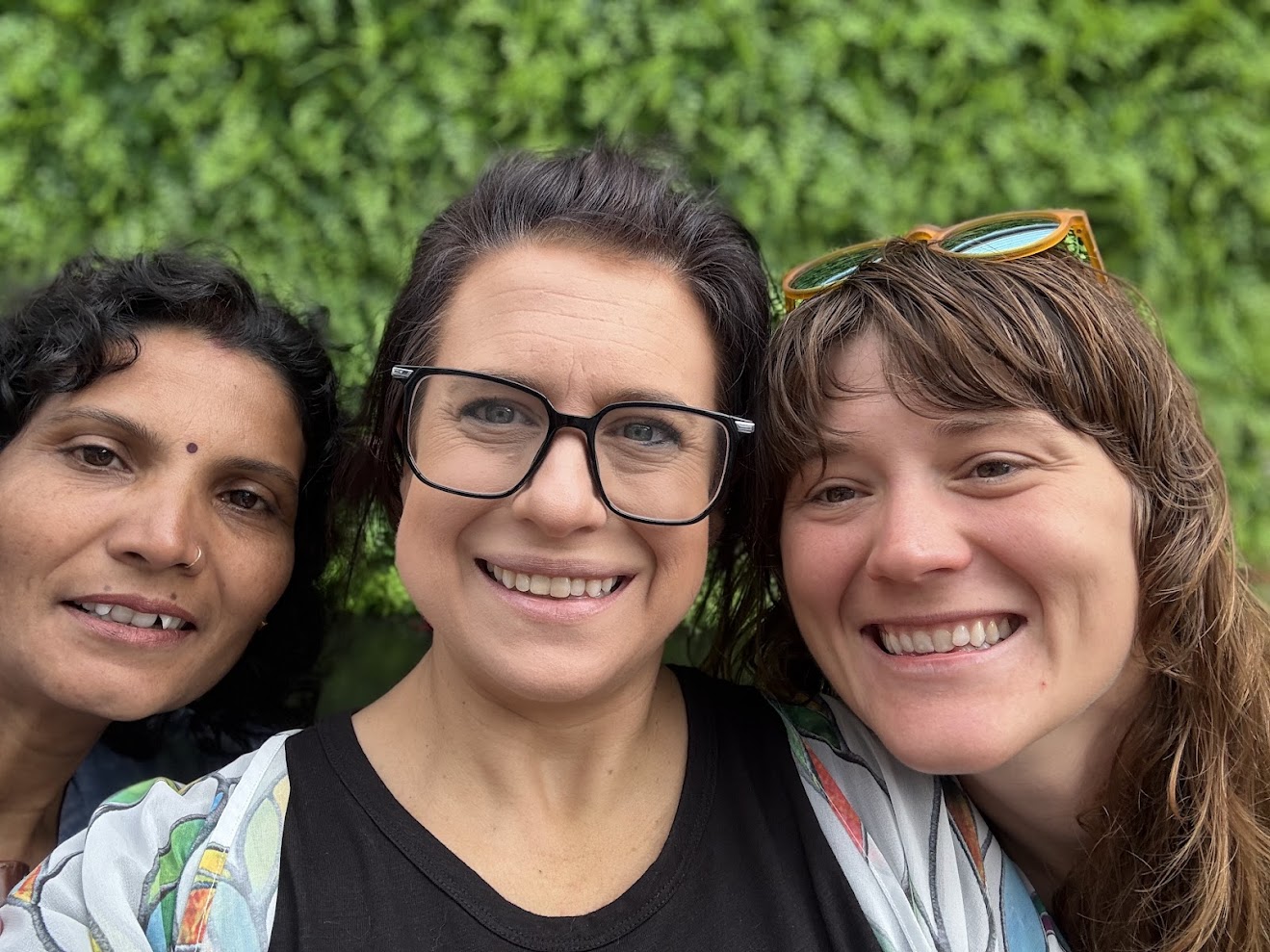
Each artifact marks a point in my journey: a new skill practiced, a concept applied, a partnership strengthened, a question refined, or a community story brought forward. Together, they show how my education at Future Generations University has shaped the way I think, work, and lead.
I entered this program with a deep belief in storytelling, local business, agriculture, and the power of rural communities. I leave with a stronger framework for practicing those beliefs through ethical research, participatory engagement, strategic communication, and community-centered development.
This collection is not an ending. It is evidence of the path I am on—and an invitation to continue the work.
Education in Practice